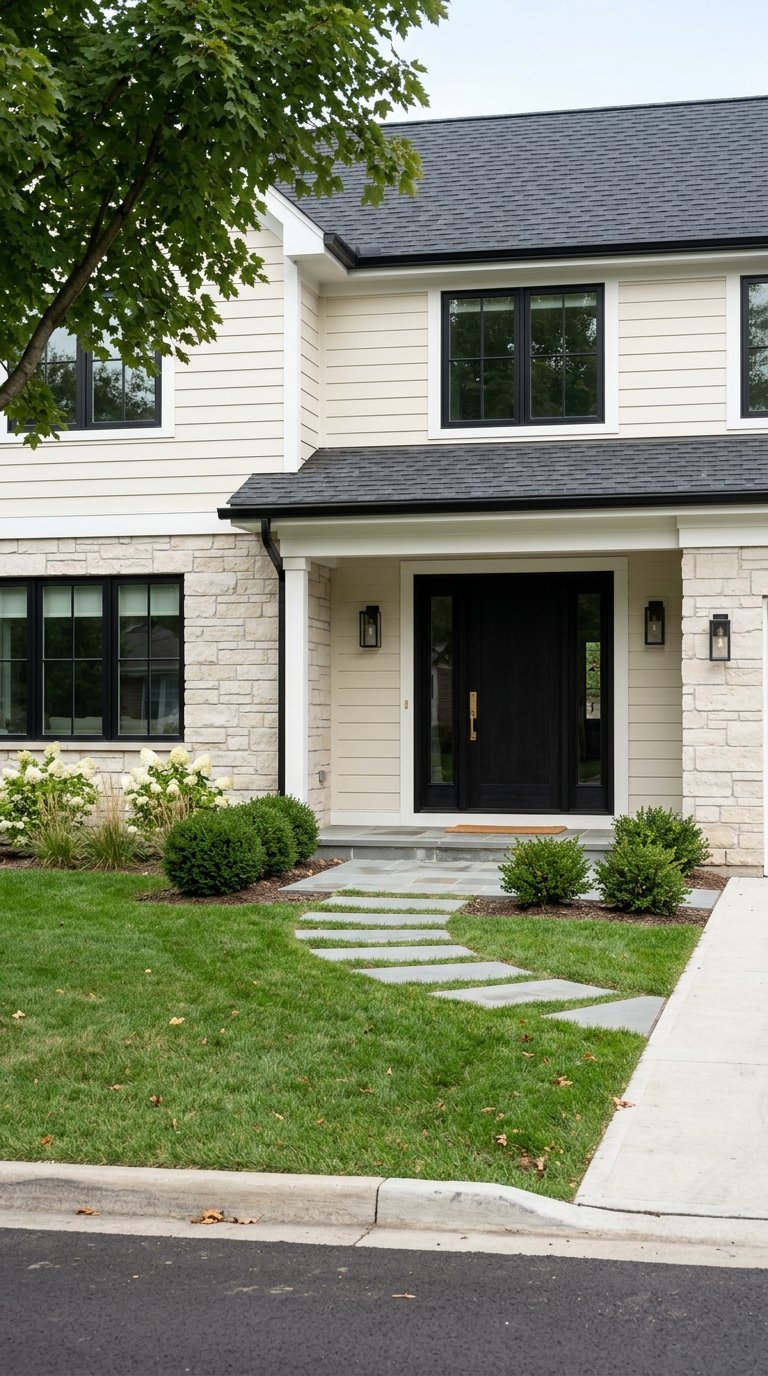
If you are thinking about selling in Indianapolis, it helps to reset expectations before the sign goes in the yard. This is not a market where every home flies off the shelf with multiple over-asking offers, but it is still a market where well-prepared sellers can do very well. When you understand local timing, pricing, buyer behavior, and the prep work that matters most, you can make smarter decisions from day one. Let’s dive in.
Indianapolis Market Conditions
Indianapolis looks more balanced than overheated right now, which is important to know before you list. As of March 31, 2026, Zillow reported a typical home value of $229,209 in Indianapolis, up 0.3% year over year, with 3,034 homes for sale and a median of 33 days to pending.
Other local data points tell a similar story, even if the exact numbers differ. Redfin’s March 2026 snapshot showed a median sale price of $245,000 in Indianapolis, down 1.1% year over year, with homes taking about 55 days to sell, while Marion County showed a 97.7% sale-to-list ratio and 54 days on market. Put simply, buyers are active, but they are also selective.
Across the broader 14-county MIBOR market, March 2026 inventory stood at 2.0 months, and the sale-price-to-list-price ratio was 96.2%. That points to a market with opportunity for sellers, but not one where pricing mistakes are easily forgiven.
What This Means for You
If you are planning to list soon, the big takeaway is this: pricing and presentation matter more than ever. In a mixed market, buyers compare options carefully, and homes that feel overpriced or underprepared can sit longer.
That does not mean you need perfection. It means you need a realistic strategy that matches current conditions in Indianapolis and Marion County.
Why Pricing Matters So Much
Many sellers still hope to list high and negotiate from there, but current data suggests that approach can backfire. In Marion County, 39.5% of homes had price drops, and the average sale-to-list ratio was 97.7%.
Citywide, Redfin reported that homes received about 2 offers on average, with 17.3% selling above list price. Zillow also showed that 63.6% of Indianapolis sales closed under list price, while 14.2% sold over list. That tells you over-list outcomes still happen, but they are far from guaranteed.
Start With a Market-Based Number
A strong list price should attract attention early, not test the market for weeks. Buyers today are payment-sensitive, especially with Freddie Mac reporting a 30-year fixed mortgage rate of 6.30% on April 30, 2026.
That means even small differences in price can affect how many buyers are willing or able to schedule a showing. If your home enters the market at a compelling price, you are more likely to create momentum while your listing is fresh.
The First Week Matters
Your earliest days on market often shape the rest of your sale. If buyers see a home sit too long, they may assume something is wrong or wait to see if the price drops.
A well-priced home can still generate strong interest, and in some cases multiple offers. But in this market, that outcome usually comes from alignment between price, condition, and buyer expectations.
Best Timing to List in Indianapolis
Spring still tends to bring more activity, but season alone does not guarantee results. Indiana’s March 2026 statewide report showed a clear spring ramp-up, with new listings up 41% month over month, pending contracts up 30%, and closed sales up 27%.
That is good news if you want more buyers in the market. It also means more competition from other sellers at the same time.
Spring Brings Opportunity and Competition
If you list in spring, you may benefit from stronger buyer traffic and more active search behavior. At the same time, buyers may have more homes to choose from, so your presentation needs to stand out.
The best timing is often less about chasing the perfect month and more about listing when your home is truly ready. A clean, polished, correctly priced home usually performs better than a rushed listing that hits the market a few weeks earlier.
Prep Work That Pays Off
Before listing, focus on the updates and presentation choices that help buyers picture themselves in the space. According to NAR’s 2025 Profile of Home Staging, 83% of buyers’ agents said staging made it easier for buyers to visualize a home.
More than a quarter of agents said staging increased the dollar value offered by 1% to 10%, and about half of sellers’ agents said staged homes sold faster. That does not mean every seller needs a full-service staging package, but it does show the value of thoughtful presentation.
Focus on Key Rooms First
The most commonly staged rooms were the living room, primary bedroom, and dining room. If you are deciding where to spend time and energy, start there.
These are the spaces that often shape a buyer’s first impression. When they feel open, clean, and easy to understand, the whole home tends to show better.
Simple Pre-Listing Steps
You do not need a major remodel to improve how your home shows. Presentation-focused prep often goes further than expensive upgrades.
Here are a few practical steps sellers can take before listing:
- Declutter surfaces and storage areas
- Pack away personal items
- Use fresh towels and bedding
- Paint in neutral tones if needed
- Remove bulky furniture that makes rooms feel smaller
- Add modest decor for warmth and balance
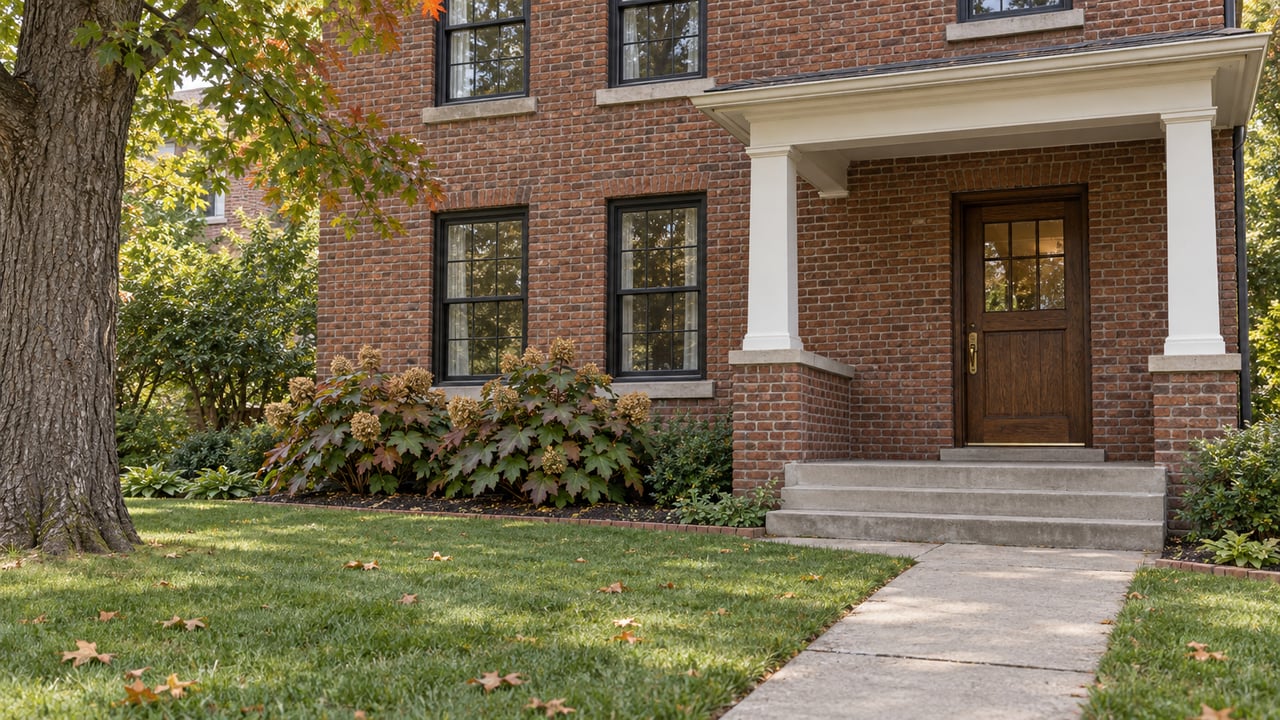
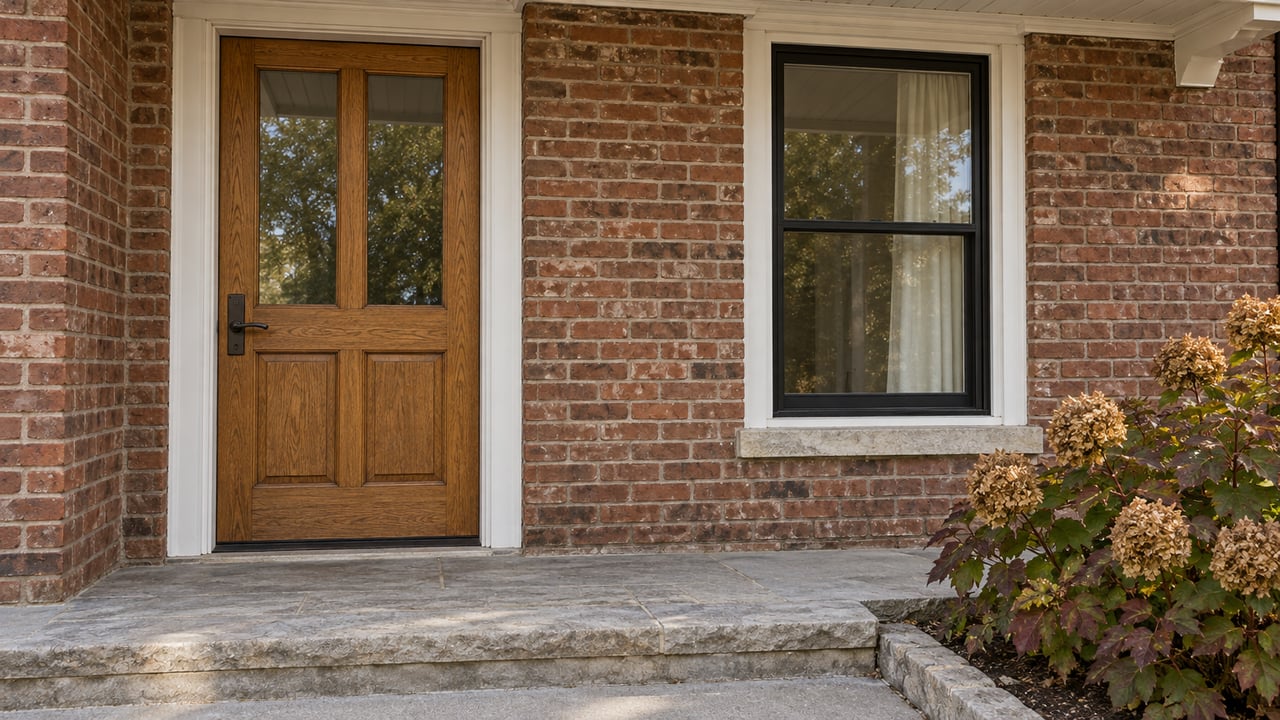
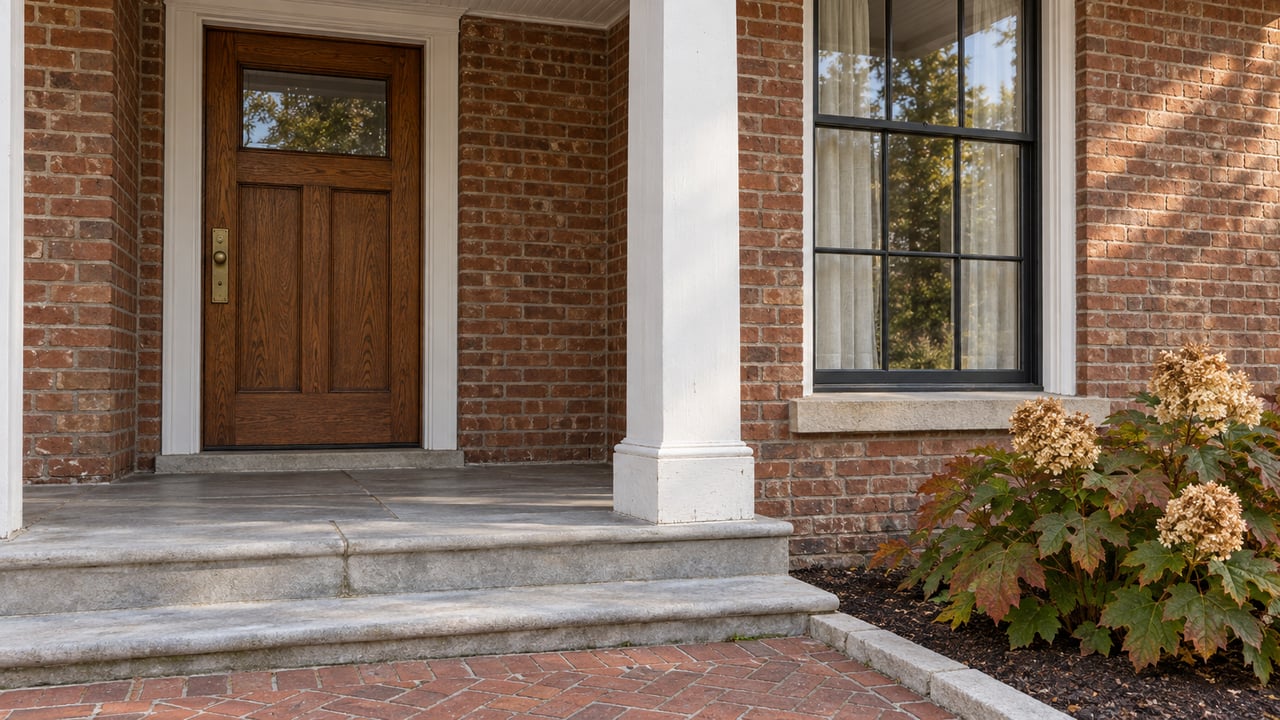
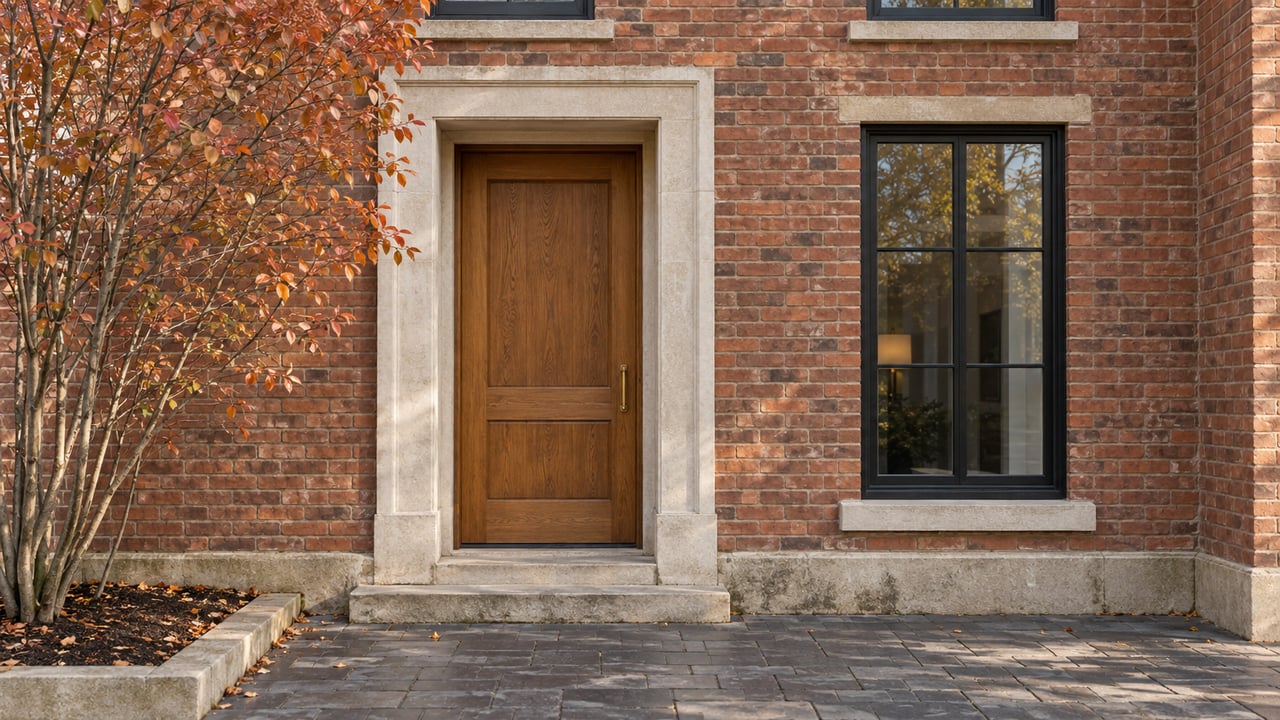
- Improve the front entry and first impression
- Keep closets about half full so they appear more spacious
Think Presentation, Not Perfection
One of the most helpful mindset shifts is to treat prep as presentation, not a full renovation project. Buyers are often responding to light, space, flow, and overall condition before they focus on smaller details.
If you are not sure where to start, a room-by-room plan can help you avoid overspending. The goal is to make your home feel welcoming, well cared for, and easy to imagine living in.
What Offers May Look Like
Many Indianapolis sellers want to know whether they should expect multiple offers, repairs, concessions, or price negotiations. The answer is that all of those are possible, depending on your home, price point, and presentation.
Right now, strong homes can still move quickly, but not every listing will command top dollar without negotiation. In Indianapolis, homes averaged about 2 offers, and a meaningful share sold below list price.
Look Beyond Offer Price Alone
The best offer is not always the highest number on paper. In a market where buyers are mindful of monthly payments and financing terms, the strongest offer may be the one that gives you the best mix of price, financing strength, timing, and certainty.
For example, a cleaner offer with fewer complications may put you in a better position than a higher offer that carries more risk. Sellers benefit from reviewing the full picture, not just the top line.
Negotiation Is Normal
If you receive an offer below asking, it does not automatically mean your listing failed. In a market where average sale-to-list ratios sit below 100%, negotiation is part of the process.
That is why preparation before you list matters so much. When you understand likely buyer behavior ahead of time, you can respond with more confidence and less stress.
A Smart Pre-Listing Mindset
Indianapolis sellers still have real advantages. The Indiana Association of REALTORS® reported annualized price appreciation of 5.2% for Indianapolis in Q1 2026, which means many homeowners are entering the market with equity.
At the same time, buyers have more choices and are watching value closely. That combination makes strategy essential.
What To Know Before Your Listing Appointment
Before you meet with an agent, it helps to walk in with a few grounded expectations:
- Your home may sell well, but not necessarily over asking
- Price reductions are common when a listing misses the market early
- Spring can boost activity, but it also brings more competing listings
- Staging and prep can improve both speed and buyer response
- Offer strength includes terms, financing, and reliability, not just price
When you know these basics, you are better prepared to make smart decisions from the start. You can focus on what actually moves the needle instead of reacting to headlines or outdated market assumptions.
If you are getting ready to sell in Indianapolis, the best next step is a plan tailored to your home, your timing, and your goals. For thoughtful pricing guidance, seller prep support, and clear communication from start to finish, connect with Christy Kalavsky & Chase Deisler - Meridian x Main.
FAQs
What should Indianapolis sellers know about the current market before listing?
- Indianapolis is a more balanced market than a frenzy market, so realistic pricing, strong presentation, and a clear strategy matter.
What do Indianapolis homes typically sell for compared with list price?
- Recent Marion County data showed an average sale-to-list ratio of 97.7%, which means many homes are selling below asking price.
What is the best time for Indianapolis sellers to list a home?
- Spring often brings more buyer activity, but it also brings more competing listings, so the best time is when your home is fully ready to show well.
What prep steps matter most for Indianapolis sellers before listing?
- Decluttering, depersonalizing, improving key rooms, using neutral presentation, and strengthening curb appeal can help buyers connect with the home.
Should Indianapolis sellers expect multiple offers?
- Some well-priced and well-prepared homes still receive multiple offers, but current data shows that outcome is not automatic and often depends on price, condition, and terms.