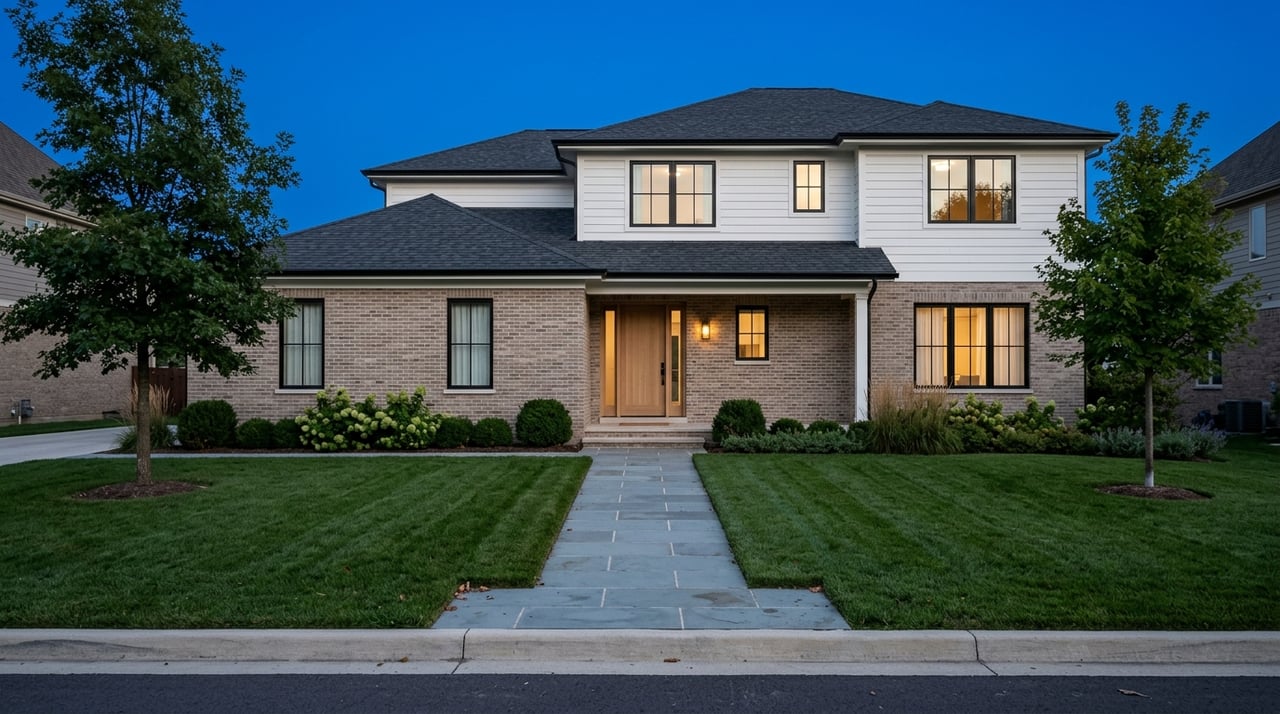
If you’re shopping in Carmel, one question can shape your whole search: should you buy brand-new construction or choose a home in an established neighborhood? It’s a meaningful decision, especially in a market where prices move quickly, inventory leans heavily toward larger single-family homes, and many buyers are weighing options in a similar move-up price range. By the end of this guide, you’ll have a clearer way to compare both paths so you can focus on the one that fits your timeline, budget, and lifestyle best. Let’s dive in.
Carmel’s market adds pressure to the choice
Carmel is a competitive market. Redfin reported a median sale price of $607,636 in May 2026, with homes averaging about 11 days on market and receiving around 3 offers.
That pace matters because it can make both new construction and established neighborhoods feel appealing for different reasons. In a fast-moving market, some buyers like the chance to secure a homesite and build, while others want the certainty of choosing a home they can see right now.
Carmel’s own housing data also helps explain why this decision comes up so often. The city reports that most housing inventory is detached single-family, many homes have 4 or more bedrooms, and a large share are 2-story or larger layouts.
The same report notes a sustainable sales-price range of roughly $450,000 to $550,000 based on local household income, while 46.2% of inventory sits above $600,000. That creates a practical reality for many buyers: if you are stretching into Carmel’s move-up price band, you want to be very sure whether you’re paying for newness and customization or for a more settled neighborhood setting.
Why new construction appeals
New construction often gives you something resale homes usually cannot: choice. Depending on the builder and stage of construction, you may have input on finishes, layout details, and certain design selections.
That flexibility is a big draw if you want a home that feels tailored to how you live today. It can be especially appealing if you’d rather avoid inheriting someone else’s design decisions or immediate repair list.
New homes also tend to come with newer systems and lower maintenance needs in the first few years. In practical terms, that may mean fewer early surprises with HVAC, roofing, windows, or exterior wear.
In Carmel, new construction is not only happening on the outer edges of the city. The city’s comprehensive plan points to growth that is moving inward and upward, with areas like City Center, Midtown, and the Monon corridor contributing to a stronger urban core. That means some buyers may also find newer infill or core-area options within a mature city setting.
What to watch with new construction
The biggest tradeoff with new construction is usually timeline. A build can offer more personalization, but it can also bring a longer and less predictable path to closing.
In Carmel, the local approval and inspection process plays a real role in that timing. Residential projects must follow the city’s permit and inspection procedures and be built to the 2020 Indiana Residential Code.
The city also states that occupancy cannot happen until the required permits, inspections, and Certificate of Occupancy are complete. If work starts without the right permit or moves ahead without required inspections, delays and penalties can follow.
That does not mean new construction is a poor choice. It just means you should think of your move date as something that may need flexibility.
Another key issue is lot certainty. In subdivisions, Carmel requires major infrastructure and formal approvals before permits can move forward, including streets, utility systems, signage, erosion control, and a recorded secondary plat.
For you, that means the lot layout is usually locked in early. If yard size, easements, drainage areas, or room for future outdoor projects matter to you, it is smart to review the recorded plat carefully rather than rely only on builder marketing materials.
Cost is the other major consideration. The base price is only part of the story.
Your all-in number may include:
- Base purchase price
- Lot premium
- Design center upgrades
- Municipal fees
- The Parks and Recreation Impact Fee on new dwelling units
- Carrying costs if your move is delayed
Warranties can help, but they are not unlimited. The research report notes that new-home warranties often do not cover everything and may exclude some appliances, cosmetic items, or certain relocation costs tied to major repairs.
Why established neighborhoods stand out
Established neighborhoods usually offer more immediate certainty. You can see the actual home, the actual lot, the street pattern, and the surrounding homes before you make an offer.
For many buyers, that clarity is a huge advantage. Instead of choosing from plans and samples, you are evaluating the full setting in real time.
In Carmel, established neighborhoods also tend to benefit from a more mature landscape. The city’s Historic Preservation Commission emphasizes maintaining established residential neighborhoods, and Carmel’s Urban Forestry resources show how important trees and landscaping are to the local environment.
The result is often a more settled streetscape from day one. If mature tree canopy, established landscaping, and a finished neighborhood feel matter to you, older neighborhoods may check those boxes more easily.
There is also less guesswork around how the area functions once built out. You can better understand traffic flow, lot spacing, backyard privacy, and how the neighborhood feels at different times of day.
The tradeoffs in established neighborhoods
The biggest tradeoff with an established home is maintenance. A home may offer more certainty up front, but it can also bring near-term repair or replacement costs.
That is why condition matters so much. When you look at resale homes in Carmel, pay close attention to the age and condition of the roof, HVAC systems, windows, exterior materials, and any signs of deferred maintenance.
Unlike new construction, an established home typically does not come with the same builder-warranty framework. You are buying a home with a visible history, and part of your job is deciding whether that history feels well maintained or potentially expensive.
This does not automatically make older homes a riskier choice. It simply means your budget should leave room for upkeep sooner, especially if the home has aging major systems or cosmetic updates you want to tackle after closing.
A simple Carmel decision framework
If you feel torn between the two, it helps to simplify the choice. In Carmel, this decision often comes down to four practical categories: timeline, customization, maintenance, and neighborhood maturity.
Choose new construction if you value customization
New construction may be the better fit if you:
- Want more control over finishes or layout details
- Prefer newer systems and lower short-term maintenance
- Can handle a build timeline that may shift
- Are comfortable paying for upgrades to get the look and function you want
This path often works well if your move is not tied to a fixed date and you care more about freshness and personalization than a fully matured setting.
Choose established neighborhoods if you value certainty
An established neighborhood may be the better fit if you:
- Want to know the exact lot and surroundings before closing
- Prefer a more predictable move-in timeline
- Care strongly about mature trees and a settled neighborhood feel
- Are comfortable taking on maintenance sooner
This path often makes sense if context matters more to you than selecting every finish.
Questions to ask before you decide
Sometimes the right answer becomes obvious once you ask better questions. Before you choose one path over the other, think through the following:
- How fixed is your move date?
- How much customization do you really want?
- Would you rather choose finishes or choose a finished lot and landscape?
- How much short-term maintenance are you willing to absorb?
- Do you care more about mature trees and established surroundings or brand-new systems?
- What is your true all-in budget after upgrades, fees, and expected maintenance?
These questions matter in any market, but they matter even more in Carmel because the options often compete within a similar upper price range. A smart decision is usually less about which option is better in general and more about which option fits your priorities better.
There is no one-size-fits-all answer
In Carmel, new construction versus established neighborhoods is not a simple fresh-versus-old debate. It is a choice between different kinds of value.
New construction often gives you customization, newer systems, and a lower-maintenance start. Established neighborhoods often give you mature landscaping, clearer context, and more certainty about what you are buying.
The best choice depends on how you want to live, how soon you need to move, and what kind of tradeoffs feel worth it to you. When you look at the decision through that lens, it gets much easier to narrow your search and move forward with confidence.
If you want help comparing Carmel neighborhoods, resale options, and new-build opportunities with a clear strategy, connect with Christy Kalavsky & Chase Deisler - Meridian x Main. Their service-first approach and local guidance can help you weigh the details and make a decision that fits your next chapter.
FAQs
What is the main difference between new construction and established neighborhoods in Carmel?
- New construction usually offers more customization and newer systems, while established neighborhoods usually offer more certainty, mature landscaping, and a finished neighborhood setting.
How competitive is the Carmel housing market for buyers?
- Carmel is a competitive market, with Redfin reporting a May 2026 median sale price of $607,636, about 11 days on market, and roughly 3 offers per home.
What extra costs should buyers expect with Carmel new construction homes?
- Buyers should look beyond the base price and account for lot premiums, upgrades, city-related fees, the Parks and Recreation Impact Fee, and possible costs tied to construction delays.
Why do established Carmel neighborhoods appeal to many buyers?
- Established neighborhoods let you see the actual home, lot, street pattern, and surrounding setting before closing, and they are more likely to have mature tree canopy and settled landscaping.
What should buyers check when considering an established home in Carmel?
- Buyers should pay close attention to the age and condition of major systems and exterior elements, including the roof, HVAC, windows, and signs of deferred maintenance.
Can new construction timelines in Carmel change after contract?
- Yes. Carmel’s permit, inspection, and occupancy requirements can affect the construction timeline, which is one reason buyers should build in flexibility when planning a move.