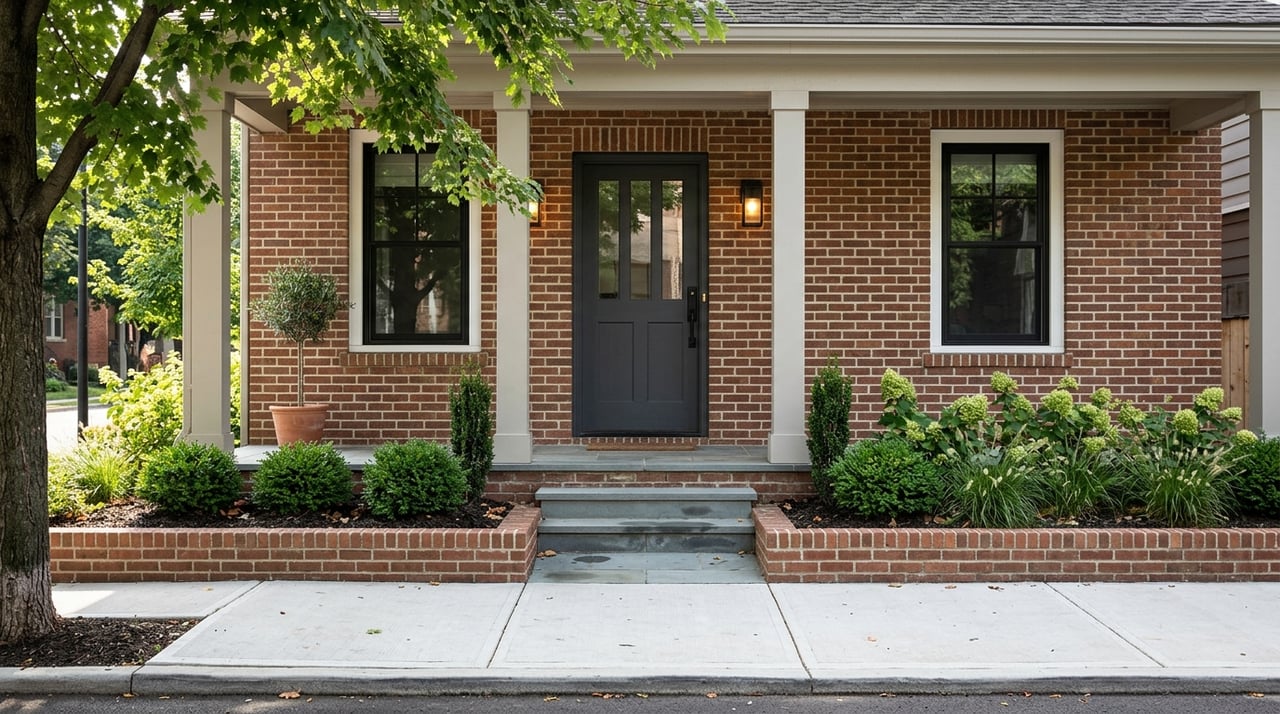

If you are thinking about selling your home in Fishers, you are probably wondering how to time it, price it, and prepare it without creating unnecessary stress. The good news is that Fishers remains an active, competitive market, but strong results still depend on smart planning and local strategy. When you understand each step before your home goes live, you can make better decisions and avoid common surprises. Let’s dive in.
Understand the Fishers market
Fishers continues to show solid buyer activity, even though market stats vary by source. Public reports point to a competitive environment with homes moving from active to pending in a relatively short window and some properties receiving multiple offers.
That said, citywide averages only tell part of the story. Neighborhood-level pricing in Fishers can vary quite a bit, with reported median prices ranging from about $339,900 in Brooks Chase to about $681,950 in Gray Eagle. That is why your pricing strategy should be based on comparable sales in your subdivision, price range, and home style, not just a broad city average.
Step 1: Choose a local listing strategy
The first step is deciding who will guide your sale. A strong listing team helps with pricing, marketing, showings, offer strategy, negotiations, and the details that carry your transaction through closing.
In Fishers, local experience matters. Because pricing can shift significantly from one neighborhood to another, you want guidance grounded in recent sales that truly match your property. A collaborative, organized team can also help reduce stress by keeping communication, deadlines, and next steps clear.
What to look for in your agent
When you interview agents, focus on fit as much as credentials. You want someone who understands the local market and has a clear plan for your specific home.
Look for:
- Recent experience selling homes in Fishers
- Familiarity with your neighborhood or a similar price band
- A pricing process based on current comparable sales
- A clear marketing plan with strong listing media
- Consistent communication and hands-on support
Step 2: Price your Fishers home correctly
Pricing is one of the most important decisions you will make. In an active market, it can be tempting to aim high and hope buyers stretch, but the better approach is to price from the market, not from emotion.
Current Fishers data suggests there is enough demand for some homes to attract multiple offers. Even so, buyers still respond best to homes that feel well-positioned from day one. Correct pricing, paired with strong presentation, can help create momentum early in the listing period.
Why subdivision-specific comps matter
A four-bedroom home in one Fishers subdivision may compete very differently than a similar-size home across town. Lot size, builder, updates, HOA structure, and neighborhood reputation in the market can all influence buyer response.
That is why a pricing analysis should compare your home to recent sales, current competition, and pending activity that closely matches your property. This gives you a more accurate picture of where buyers are likely to see value.
Step 3: Get your home market-ready
Before listing, focus on the improvements that help buyers say yes faster. In most cases, that means cleaning, decluttering, addressing visible maintenance, and improving curb appeal instead of taking on major remodeling.
This matters even more in Fishers because the city conducts proactive code enforcement reviews focused on visible exterior conditions. The city specifically flags items like grass and weeds, debris, fences, siding, windows, doors, gutters, trash, and painted surfaces.
Start with exterior condition
Your exterior is the first thing buyers see online and in person. It also sets the tone for how well the rest of the home feels maintained.
Before you list, review:
- Lawn care and weed control
- Peeling or worn painted surfaces
- Damaged fencing
- Dirty or sagging gutters
- Visible siding issues
- Broken windows or worn doors
- Clutter, trash, or outdoor debris
Review HOA rules early
If your home is in an HOA community, check your association rules before putting the property on the market. Fishers HOA resources emphasize exterior maintenance, signage, parking, and neighborhood standards.
This can affect things like temporary signage, exterior appearance, and what needs to be handled before showings begin. Reviewing these details early can help you avoid last-minute issues.
Focus on the prep buyers notice most
According to NAR’s 2025 staging report, buyers respond strongly to homes that are easy to picture themselves living in. The most common seller-prep recommendations were decluttering, whole-home cleaning, and curb appeal improvements.
You do not need to overcomplicate this. Start with the basics that make your home feel brighter, cleaner, and more spacious.
A practical prep checklist includes:
- Remove excess furniture where rooms feel crowded
- Clear countertops and personal items
- Deep clean kitchens, bathrooms, floors, and windows
- Replace burnt-out light bulbs
- Touch up obvious scuffs or chipped paint
- Freshen entry areas and main living spaces
- Organize closets and storage areas
Step 4: Complete seller disclosures
Indiana requires most sellers of one-to-four-unit residential property to complete the Seller’s Residential Real Estate Sales Disclosure. You generally need to provide this to a prospective buyer before an offer is accepted.
If your home was built before 1978, lead-based paint disclosure is also required. Indiana’s disclosure form also includes hazardous-condition disclosures related to contamination from controlled substances, including methamphetamine.
Why disclosures matter
Disclosures help set clear expectations and can reduce the chance of conflict later in the transaction. Being accurate and timely is important.
If lead-based paint disclosure applies, the buyer gets a 10-day opportunity, or another mutually agreed period, to conduct a risk assessment or inspection unless that right is waived. Your agent can help you prepare the paperwork and timing correctly.
Step 5: Launch with strong marketing
Once your home is ready, presentation becomes critical. Buyers often decide which homes to visit based on what they see online first, so your listing media can directly affect interest and showing activity.
NAR reports that photos are especially important to both sellers’ agents and buyers’ agents, with videos, physical staging, and virtual tours also carrying value. For many Fishers homes, that supports a launch plan built around professional photography and a polished online presentation.
What a strong listing launch should include
Your marketing plan should help buyers quickly understand the home’s value and condition. It should also create a consistent first impression across platforms.
Key listing assets may include:
- Professional photography
- Thoughtful staging or styling
- Clear room-by-room presentation
- Optional video or virtual tour assets when they fit the property
- Accurate property details and neighborhood context
Step 6: Manage showings and early feedback
Once your home is live, the first days matter. This is when buyer interest is freshest and when your pricing and presentation are tested in real time.
Try to keep the home clean, bright, and easy to access for scheduled showings. If feedback starts to repeat, whether about price, condition, or layout, take it seriously and review it with your agent quickly.
Step 7: Evaluate offers carefully
If offers come in, it helps to look beyond the top price. The strongest offer is not always the one with the highest headline number.
Financial terms, contingencies, earnest money, and closing timeline can all affect how likely a transaction is to close smoothly. In a competitive setting, thoughtful review matters.
What to compare in each offer
When reviewing offers, look at the whole package:
- Purchase price
- Financing type and strength
- Earnest money amount
- Inspection contingency terms
- Appraisal-related risk
- Requested closing date
- Any special requests or concessions
If you plan to counter, do so carefully. NAR notes that making a counteroffer voids the original offer, so it is important to think through your strategy before responding.
Step 8: Prepare for inspection and appraisal
After you accept an offer, the transaction usually moves into inspections, appraisal, and final loan approval. This is often where sellers feel the most uncertainty, but many issues can be managed with steady communication and realistic expectations.
If an inspection finds problems, the buyer may try to negotiate repairs, credits, or other terms if the contract includes an inspection contingency. In some cases, the buyer may also cancel based on the contract terms.
If the appraisal comes in low
A low appraisal can affect financing and trigger another negotiation. The buyer may ask for a price reduction based on the appraised value.
At that point, your options depend on the contract, the buyer’s financing, and overall leverage in the deal. This is another reason correct pricing at the start matters so much.
Step 9: Get ready for closing
From listing launch to closing, many financed sales may take roughly a month to two months, though that is only an estimate. In Fishers, homes may go pending quickly, but the contract-to-close phase still usually takes several weeks.
During closing, a title company typically runs a title search, and the closing agent prepares the documents needed to transfer ownership. The buyer must receive the Closing Disclosure at least three business days before closing, and buyers often complete a final walk-through on or just before closing day.
Closing details to keep in mind in Hamilton County
As you get closer to closing, plan to keep the home in the agreed condition until possession transfers. Do not assume your responsibilities end once you move out.
A few local details matter too:
- Hamilton County property taxes are paid in arrears
- Taxes are due in May and November
- The county lists a $20 sales disclosure fee
- The county lists a $10 deed transfer fee per parcel
- Indiana Sales Disclosure Form 46021 must be filed with the county assessor
A smoother sale starts with a smart plan
Selling your Fishers home is not just about putting a sign in the yard and waiting for offers. It is about pricing with precision, preparing thoughtfully, marketing well, and making clear decisions from listing to closing.
When you have a strategy built around your neighborhood, your home, and your timing, the process becomes much more manageable. If you are thinking about selling in Fishers and want tailored guidance from a team that values clear communication and hands-on service, connect with Christy Kalavsky & Chase Deisler - Meridian x Main.
FAQs
How long does it take to sell a home in Fishers?
- In many financed sales, the full process from listing launch to closing may take about one to two months, though timelines vary. Fishers homes can go pending quickly, but the contract-to-close stage still often takes several weeks.
What is the best way to price a home in Fishers?
- The best approach is to use recent comparable sales, current competition, and pending activity in your neighborhood or subdivision. Broad citywide averages are less useful because Fishers pricing varies significantly by area.
What should sellers fix before listing a home in Fishers?
- Focus on visible maintenance, cleaning, decluttering, and curb appeal. In Fishers, exterior items like grass, weeds, debris, fences, siding, windows, doors, gutters, trash, and painted surfaces deserve special attention.
What disclosures are required when selling a home in Indiana?
- Most sellers of one-to-four-unit residential property must complete the Seller’s Residential Real Estate Sales Disclosure before an offer is accepted. Homes built before 1978 also require lead-based paint disclosure.
What matters most when reviewing offers on a Fishers home?
- Price matters, but so do financing strength, contingencies, earnest money, and closing timeline. The strongest offer is not always the highest one.
What happens after a Fishers home goes under contract?
- The sale usually moves through inspection, appraisal, title work, loan approval, final walk-through, and closing. Issues can still come up during this stage, so staying organized and responsive is important.